
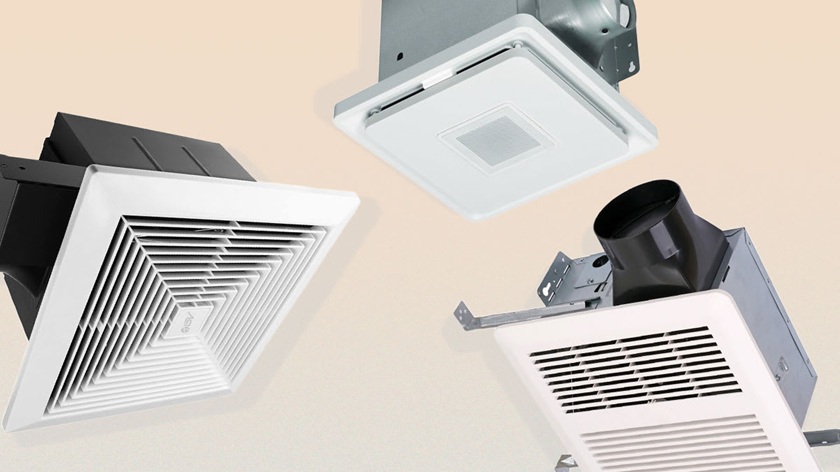
A lavatory exhaust fan is one of these home gadgets that human beings typically overlook about till troubles begin appearing. Yet, it performs a very essential function in maintaining your restroom sparkling, dry, and free from undesirable smells and moisture. Without proper air glide, lavatories quickly become a breeding ground for mildew, mould, and microorganisms.
What Exactly Is a Bathroom Exhaust Fan?
A bathroom exhaust fan is a small mechanical air flow system mounted inside the ceiling or wall of a toilet. Its essential cause is to eliminate humid air, odours, and airborne debris and push them outside the residence through a duct device.
When warm water is used inside the lavatory, steam will boost humidity degrees unexpectedly. If this wet air remains trapped, it begins to evolve negative surfaces and decreases air quality. The exhaust fan solves this problem via continuously pulling out that moist air and changing it with clean air from outdoors or incredible sources of the house.
Why Bathroom Exhaust Fan is So Important in Modern Homes
Many humans assume a window is sufficient for airflow, but that isn’t continuously authentic—particularly in cutting-edge residences in which toilets frequently have no domestic windows. This is wherein an exhaust fan becomes critical.
Prevents Mold and Mildew Growth
Moist environments are ideal for mould. A restroom exhaust fan reduces humidity before it settles on surfaces.
Controls Unpleasant Smell
Every lavatory develops odour because of drainage, cleaning chemical compounds, or daily use. The fan allows one to get rid of those smells rapidly.
Protects Paint and Walls
Continuous moisture can reason paint to peel and walls to weaken. Proper air drift prevents long-term damage.
Improves Indoor Air Quality
It gets rid of risky particles, cleansing fumes, and airborne microorganisms.
Increases Bathroom Comfort
A well-ventilated lavatory feels cleaner, brisker, and more comfortable to use.
How Bathroom Exhaust Fan Works in Simple Terms
The operation of a bathroom exhaust fan can be very silent but particularly powerful.
- The fan motor rotates blades inside the unit.
- These blades pull wet and rancid air from the rest room.
- Air is pushed via a duct pipe.
- The air exits out of doors from the construction.
- Fresh air replaces the removed air actually.
This non-forestall airflow cycle continues humidity below control and stops condensation.
Types of Bathroom Exhaust Fans You Should Know
Not all exhaust fans are the same. Different bathrooms require different types, primarily based on period and structure.
Ceiling Exhaust Fan
This is the most commonplace type located in houses. It is set up in the ceiling and vents air through the roof or duct.
Wall Exhaust Fan
Installed on an outdoor wall, this kind right away pushes air outdoors without lengthy ducting.
Inline Exhaust Fan
This machine is mounted within the duct in preference to straight away within the rest room. It is quieter and extra effective, appropriate for large bathrooms.
Exhaust Fan with Light
This is a multi-reason unit that includes lighting collectively with airflow, saving area and wiring.
Exhaust Fan with Heater
Common in less warm regions, this kind offers warmth and air collectively with air drift.
How to Choose the Right Bathroom Exhaust Fan
Choosing the right fan is important for correct typical overall performance.
Consider bathroom size.
Small toilets need low airflow lovers, while large spaces require immoderate CFM (cubic feet per minute) capacity.
Check Noise Level
Lower zone scores propose quieter operation. A quiet fan improves consolation.
Look at airflow capacity.
A genuine rule is that the fan needs to replace lavatory air 8–10 instances per hour.
Energy Efficiency Matters
Modern fans devour a whole lot of energy, a great deal, much less energy, and run correctly.
Additional Features
Some enthusiasts come with timers, humidity sensors, and movement detectors for higher manipulation.
Common Problems in Bathroom Exhaust Fans
Like all machines, exhaust fans can develop troubles over the years.
Weak Airflow
Dust buildup or blocked ducts lessen air motion.
Noisy Operation
Loose screws, broken blades, or worn bearings can create noise.
Fan Not Starting
Electrical troubles or motor failure may be responsible.
Bad Smell from Fan
Dust and moisture within the fan can produce a scent.
Fan Running Slowly
This often takes region while the motor is developing, old or grimy.
Step-by-Way Manner of Step Guide to Cleaning Bathroom Exhaust Fan
Regular cleansing improves ordinary performance and extends lifespan.
Step 1: Turn Off Power
Always transfer your strength in advance rather than touching the fan.
Step 2: Remove Fan Cover
Gently remove the outer cover or grille.
Step 3: Clean Dust and Dirt
Use a broom or vacuum cleaner to cast off dirt from blades and housing.
Step 4: Wash the Cover
Clean the plastic cover with cleansing soap and water.
Step 5: Wipe Internal Parts
Carefully wipe seen additives with a dry or barely damp material.
Step 6: Reassemble the fan.
Once the whole lot is dry, reinstall the cover properly.
Cleaning each 3–6 months ensures clean airflow.
Maintenance Tips for Long Life of Bathroom Exhaust Fan
Proper preservation reduces breakdowns and will increase growth efficiency.
- Clean the fan frequently
- Check for uncommon sounds
- Ensure duct isn’t always blocked
- Tighten loose screws
- Run fan for the duration of and after showers
- Inspect wiring from time to time
- Replace worn-out additives on time
Simple care can extend fan life by means of using numerous years.
How to Install Bathroom Exhaust Fan
Although professional setup is suggested, information on the fundamentals allows it.
- Install close to moisture supply, like the bath area
- Ensure duct leads outside, no longer into attic
- Keep wiring stable and insulated
- Fix fan tightly to avoid vibration
- Choose accurate period for toilet vicinity
An incorrect setup reduces usual performance and may cause moisture problems in walls.
Energy-Saving Tips
Even though exhaust fans consume low power, clever usage allows maintaining greater strength.
- Turn off at the equal time as now, not needed
- Use timer switches
- Install humidity sensors
- Choose electricity-inexperienced fashions
- Clean frequently for smooth operation
Efficient use reduces energy bills and improves trendy, typical overall performance.
Signs You Should Replace Your Bathroom Exhaust Fan
Sometimes restoration isn’t always sufficient, and possibility becomes important.
- Fan is older than 8–10 years
- Motor frequently fails
- Loud and annoying noise
- Very susceptible airflow
- Rust or bodily damage
- The repair price is simply too immoderate
A new fan improves performance and reduces long-time period issues.
Difference Between Exhaust Fan and Natural Ventilation
| Feature | Exhaust Fan | Natural Ventilation |
|---|---|---|
| Airflow Control | Strong and controlled | Depends on wind |
| Moisture Removal | Fast | Slow |
| Effectiveness | High | Medium to low |
| Odor Removal | Quick | Limited |
| Reliability | Consistent | Unstable |
Both systems together deliver the extraordinary outcomes, but exhaust fanatics are extra reliable.
Benefits of Using
Using an exhaust fan properly brings many blessings.
Healthier Environment
Reduces microorganism and mould increase.
Better Bathroom Hygiene
Keeps surfaces dry and easy.
Prevents Structural Damage
Protects walls, ceilings, and paint.
Reduces Cleaning Effort
Less moisture means less dirt buildup.
Improves Comfort
The bathroom feels sparkling and usable every time.
Mistakes to Avoid While Using
Many people unknowingly lessen fan performance.
- Not on foot fan after shower
- Ignoring cleansing for long term
- Blocking air vents
- Using wrong fan length
- Installing in wrong area
Avoiding those errors improves everyday universal overall performance substantially.
Environmental Importance
A toilet exhaust fan, moreover, helps create a healthier environment.
- Reduces indoor air pollutants
- Controls moisture degrees
- Prevents mold spores from spreading
- Reduces want for chemical cleaners
- Improves indoor air circulate
This makes homes extra steady and greener.
Conclusion
A restroom exhaust fan isn’t simply a small electric tool—it’s miles more essential as a part of a healthful and cutting-edge home. It controls moisture, gets rid of odours, prevents mildew bloom, and protects your relaxation room from long-time period harm. Whether your rest room is massive or small, right air flow is crucial for consolation and hygiene.
Frequently Asked Questions
What is the primary reason for a bathroom exhaust fan?
It gets rid of moisture, awful odours, and stale air from the toilet.
How prolonged must I run the bathroom exhaust fan?
It ought to run sooner or later after showers and, at a minimum, 15–20 minutes after use.
Can I use a relaxation room exhaust fan without ducting?
No, proper ducting is necessary to launch air out of the house doors.
How frequently do I need to ease off the fan?
Every three to six months is suggested for best generic performance.
Why is my exhaust fan noisy?
Noise is normally due to dirt, loose factors, or worn bearings.
Does an exhaust fan lessen mildew?
Yes, it reduces humidity, which prevents mildew and mildew blooms.
When do I need to update my exhaust fan?
If it’s miles over eight to 10 years antique or suggests willing performance, opportunity is first class.