
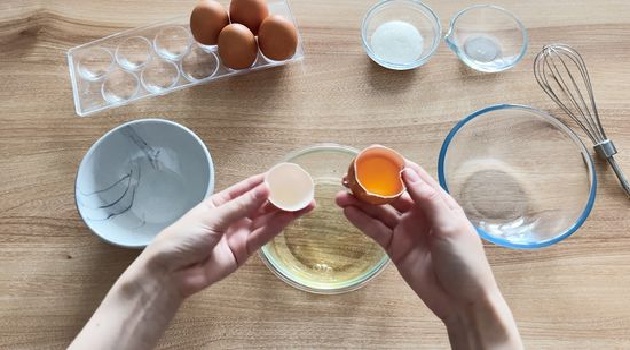
How Long to Beat Egg White for Stiff Peaks: If you have ever baked a meringue, soufflé, macarons, angel food cake, or mousse, you have probably wondered how to extend the use of egg white for stiff peaks. Achieving stiff peaks is one of the most critical steps in lots of baking recipes as it determines the feel, quantity, and stability of your final dish.
The answer is based on several elements, which encompass the kind of mixer you’re using, the temperature of the eggs, and your blending approach. While there isn’t a unmarried time that works for every situation, the approach makes it much less complex to understand at the same time as your egg whites have reached the proper consistency.
What Are Stiff Peaks?
Stiff peaks seek recommendation from the extent to which whipped egg whites grow to be organized enough to preserve their form without collapsing.
When you increase the beaters or whisk from the bowl, the egg whites must shape a sharp peak that stands upright. The combination ought to seem smooth, easy, and thick without looking dry or grainy.
This degree is usually applied in recipes that require most quantity and balance.
How Long to Beat Egg White for Stiff Peaks?
The proper time is predicated upon the device you operate.
Using an Electric Hand Mixer
Most egg whites acquire stiff peaks in about three to six minutes while being whipped at medium-high velocity.
Using a Stand Mixer
A stand mixer is usually more powerful and usually reaches stiff peaks in about 2 to 5 mins, depending on the mixer’s tempo and the quantity of egg whites.
Using a Balloon Whisk by way of Hand
Whisking through hand calls for substantially more time and typically takes eight to 15 minutes, depending on your speed and approach.
Instead of depending first-rate on time, continually watch the feel of the egg whites. Visual cues are an amazing dealmorea dependable way than the clock.
The Four Stages of Whipped Egg Whites
Understanding each degree enables you to save on under-whipping or over-whipping.
Stage 1: Foamy
At first, the egg whites emerge as bubbly with many big air pockets.
This stage is not appropriate for baking recipes that require whipped egg whites.
Stage 2: Soft Peaks
The aggregate turns white and creamy.
When you increase the whisk, the peak bends over gently in preference to standing upright.
Soft peaks artwork properly for positive cakes, but aren’t strong enough for recipes requiring stiff peaks.
Stage 3: Firm Peaks
The egg whites become thicker and hold their shape better.
The peaks stand taller but have a moderate curl at the tip.
Stage 4: Stiff Peaks
The egg whites grow to be smooth, clean, and sturdy.
When the whisk is lifted, the peak stands directly without folding over.
This is the proper diploma for meringues, macarons, soufflés, and angel food cake.
Why Temperature Matters
Many bakers are surprised whether or not cold eggs or room-temperature eggs produce higher consequences.
Cold eggs are much less complicated to separate because the yolk remains less vulnerable.
However, room-temperature egg whites whip more rapidly and commonly create a greater amount because they trap air more efficiently.
For best results:
- Separate the eggs at the same time as bloodless.
- Let the egg whites sit at room temperature for approximately 20 to half of-hour in advance than whipping.
Equipment You’ll Need
GA goodmachine makes whipping egg whites masses much less complicated.
Recommended equipment encompasses:
- Clean glass bowl
- Stainless metal bowl
- Electric hand mixer
- Stand mixer
- Balloon whisk
- Silicone spatula
Avoid plastic bowls on every occasion possible because of the reality that they may keep lines of grease that prevent proper whipping.
Tips for Perfect Stiff Peaks Every Time
Professional bakers comply with some simple rules to make certain normal outcomes.
Use a Spotlessly Clean Bowl
Even a tiny amount of grease, butter, or egg yolk can prevent egg whites from whipping properly.
Wash and dry all tools thoroughly before beginning.
Avoid Egg Yolk Contamination
Egg yolks include fat, which interferes with foam formation.
Separate eggs cautiously.
If even a small quantity of yolk enters the whites, they will in no manner yield stiff peaks.
Add Sugar Gradually
If your recipe consists of sugar, add it slowly after the egg whites have become foamy.
Adding all the sugar properly now may furthermore slow down the whipping method.
Don’t Rush the Mixing
Starting at medium velocity lets in strong air bubbles to form.
Once the aggregate becomes foamy, grow the charge progressively until stiff peaks expand.
Common Mistakes When Beating Egg Whites
Many baking screw-ups appear due to some avoidable mistakes.
Some of the most commonplace embody:
- Using dirty blending bowls
- Over-whipping the egg whites
- Under-whipping the mixture
- Mixing at most pace without delay
- Adding sugar too early
- Using very cold egg whites
- Allowing egg yolk into the bowl
- Using antique eggs that have misplaced freshness
Avoiding the one mistake appreciably improves your baking results.